

From RAF Training to the Boardroom: meet Sue
Sue joined Optima as a Senior Principal Consultant in 2022 and stepped into the role of Engineering Director last October. With 20 years of RAF service behind her and over 15 years of Systems Engineering experience since, she brings a rare combination: deep technical expertise, operational understanding, and the kind of leadership experience you can only develop through time, resilience and self-awareness.
We sat down with Sue during UK Armed Forces Week to talk radar, reservists, and what a career in uniform teaches you that no consultancy textbook ever could.
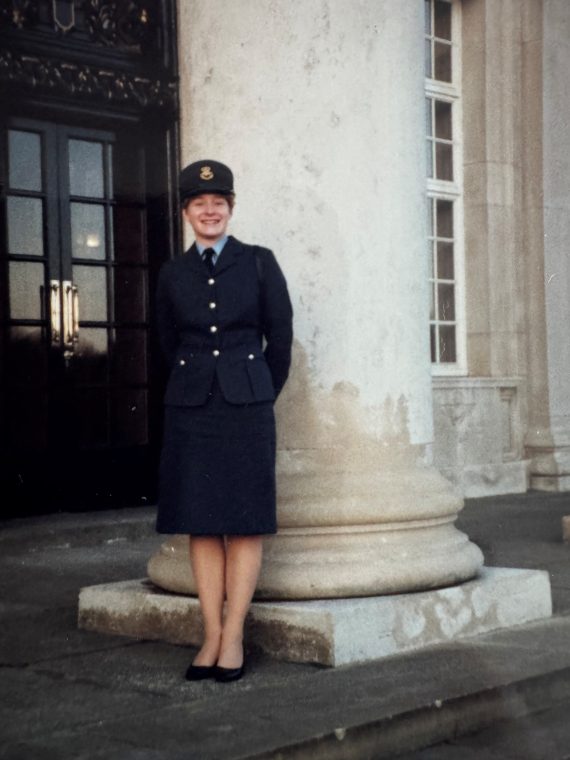
You joined the RAF in 1985 and went straight into communications, radar and electronics, serious technical territory. What drew you to that specialism?
I had studied physics and electronics at university and was interested in education but couldn’t see myself in a conventional teaching role. It was whilst chatting to some friends from the University Air Squadron that I realised there were opportunities in the Armed Forces to have both an interesting career and teach.
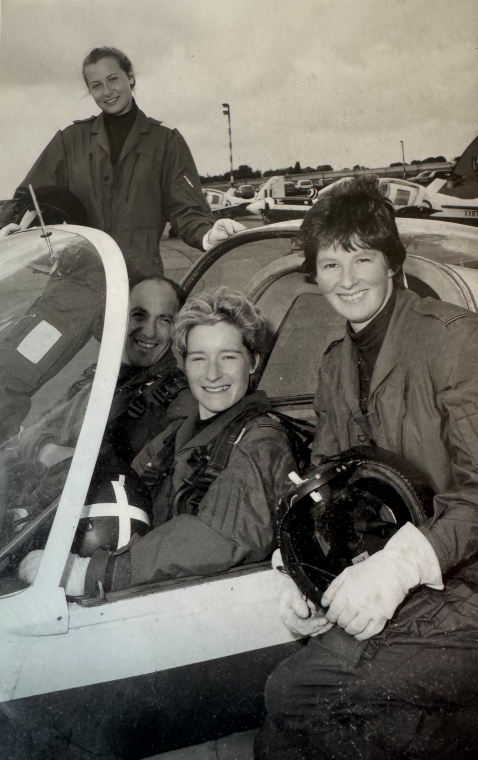
Having selected the RAF (it was the only Service that had integrated officer training at the time), I subsequently discovered that I was going to be one of the first cohort of women allowed to fly on a University Air Squadron – what a bonus. There were four of us that year and we all went solo in the Bulldog single engine training aircraft – none of us ended up as aircrew in the RAF as this was before women were accepted as navigators or pilots.
You were part of the RAF’s Electronic Warfare Team, responsible for bringing front-line operators up to speed on EW technology and capabilities. Without giving anything classified away, what was that work actually like day to day? And what was the team dynamic?
Out of all my postings this ranks as one of the best. The team was made up of a mix of experienced aircrew and trainers like me. We ran regular electronic warfare operators’ courses where I delivered lectures on directed energy weapons – everyone will laugh now when I tell you that our lectures were delivered using 35mm photographic slides plus the occasional video clip for interest. I also had the privilege of being able to present UK Air Electronic Warfare to British Army, Royal Navy and NATO colleagues both in the UK and Europe.
Your RAF career took you from Training Officer to being a project manager and Staff Officer at what is now Defence Digital. What’s the moment you’re most proud of, or the one that tested you most?
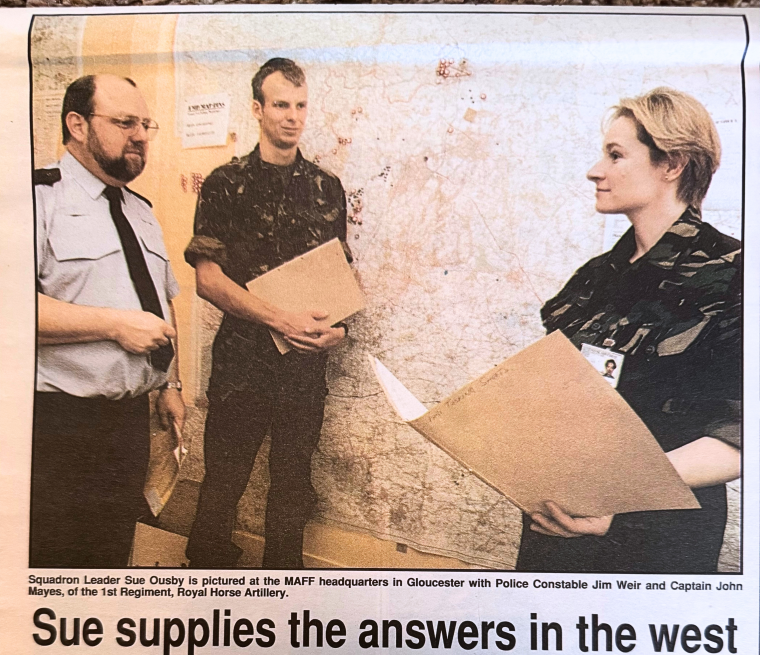
I think there are many moments that I’m proud of – I loved the day job working on a variety of RAF stations interacting with personnel from all of the RAF’s branches and advocating lifelong learning. Whilst I was never deployed overseas, I supported many ceremonial events and led media ops for the old county of Avon during the Foot and Mouth crisis. These are the moments that you remember as they test you and help build the resilience and leadership skills to take you forward.
You left the RAF in 2005 and moved into industry and consulting. What was most challenging about the transition for you?
Leaving the Armed Forces represented a significant personal transition. Adapting to unfamiliar business practices, understanding how organisations operate, and defining your role within them can be challenging. However, many fundamentals remain the same—teamwork, relationship building, and performing under pressure. These transferable skills provide a solid foundation to shape you career in a direction that truly interests you.
Systems Engineering consulting offered me the variety I thrive on. It allowed me to draw on my technical expertise while focusing on solving complex problems, working with diverse clients, and engaging across different industries.
You were appointed Engineering Director at Optima last October. What do you want to build in that role, and when you look at senior leadership in this sector, what do you think still needs to change?
Over the next few years, I’d like to see Optima continue to grow and strengthen its capability to deliver outstanding professionally accredited Systems Engineers across the sectors we serve. Creating opportunities for individuals to develop and reach their potential is central to my role. Looking ahead, I’d love to see Optima expand this further by offering graduate—and potentially even apprenticeship—pathways into Systems Engineering.
The wider sector question is a big one. We know there is a well-documented skills gap across engineering, and it’s a broad field with many different career routes. From a broader leadership perspective, this means taking action to ensure engineering remains an accessible and attractive career for everyone. From a more parochial viewpoint leaders like me need to focus not only on recruiting talent, but—critically—on retaining it. That takes us back to the core principle: giving people the opportunities, support, and environment they need to grow as professional engineers and realise their potential.
Outside of work you play the oboe with Bath Symphony Orchestra, you’re a trained Pilates instructor, and you windsurf and sail when the weather cooperates. Is there anything you’re not quietly becoming an expert in?
This question made me laugh. Music has always been part of my life, and windsurfing got hold of me in my late teens — I’ve been lucky enough to keep both going. The Pilates was a lockdown project that turned into something genuinely fascinating once I started studying movement and physiology. Curiosity doesn’t really have an off switch — and I think that’s probably true of most engineers.
UK Armed Forces Week is about recognising the contribution of veterans, reservists and serving personnel. What does it mean to you personally, and what would you say to a young person, especially a young woman, considering a technical career in the Armed Forces?
My career in the Armed Forces was benign in the sense that during the time that I served I was either too junior or too senior to be deployed into war zone. I have worked with many individuals where this was not the case, and I have the utmost respect and admiration for the roles they had to undertake in the face of danger, destruction and harrowing events. Therefore, Armed Forces week for me personally is the opportunity to remember and recognise that contribution.
An Armed Forces career also builds highly transferable skills—leadership, resilience, teamwork, and the ability to perform under pressure—which remain valuable long after leaving service. I still believe it offers a rewarding and fulfilling path, especially with today’s more flexible employment models.
It also means a great deal to me to work for an organisation like Optima that genuinely understands and values that background — the operational experience, the technical depth, and the leadership instincts that come from a career in uniform.